Legal Cyber Academy

(Digital) Forensic Files: Computer Forensics (Part 2 of 2)

Taught by Daniel B. Garrie

Digital ForensicsLevel: Intermediate1h 2m

Free preview of this course

A 5-minute excerpt from this course. The full course continues from where this leaves off.

Overview of (Digital) Forensic Files: Computer Forensics (Part 2 of 2)

Part 2 of a two-part seminar on computer forensics for attorneys. Speakers explain how digital forensics reports are compiled, including their structure and procedures, what lawyers should know about forensics and how to interact effectively with experts, and significant cases in which computer forensics proved decisive. The session closes with key takeaways for practice.

What you’ll learn in (Digital) Forensic Files: Computer Forensics (Part 2 of 2)

  • Understand the structure and procedures of a digital forensics report
  • Interact effectively with computer forensics experts
  • Recognize how forensics evidence supports a case
  • Apply lessons from significant cases solved by digital forensics

Audience and prerequisites

Who should take this course(Digital) Forensic Files: Computer Forensics (Part 2 of 2)

Litigators and attorneys who work with forensic experts and electronic evidence.

Prerequisites for (Digital) Forensic Files: Computer Forensics (Part 2 of 2)

Part 1 of this two-part series recommended.

Curriculum

  1. 1. (Digital) Forensic Files: Computer Forensics for Lawyers Part 1 of 2

    In Part one (1) of this seminar, our expert panelists will give an overview of computer forensics, how they work, and their uses. They will highlight the importance of computer forensics in the modern-day threat landscape and their value in litigation. Finally, they will break down the process of computer forensics step by step. Topics covered in this webinar: Overview of Computer Forensics Importance of Computer Forensics Computer Forensics Process

    Free preview
    Watch
  2. 2. (Digital) Forensic Files: Computer Forensics for Lawyers Part 2 of 2

    In Part two (2) of this seminar, our speakers explain the process of compiling Digital Forensics Reports, reviewing structure and procedures. Our expert panelists then highlight what lawyers should know about computer forensics and discuss the most effective way to interact with experts. They conclude by reflecting on recent cases in which computer forensics played a critical role and provide key takeaways on the role of computer forensics in attorneys’ practices. Topics covered in this webinar: Digital Forensics Report What Lawyers Should Know about Digital Forensics and Interacting with Experts Significant Cases Solved by Digital Forensics Key Takeaways

    Locked

Your instructors

Portrait of Daniel B. Garrie

Daniel B. Garrie

Founder, Law & Forensics; Neutral at JAMS; Faculty at Harvard

Law & Forensics LLC · JAMS · Harvard · Rutgers Law School · Journal of Law & Cyber Warfare

Daniel B. Garrie is the founder and executive managing partner of Law & Forensics LLC, a boutique cybersecurity and forensic engineering firm he co-founded in 2008. He serves as a neutral, arbitrator, and forensic special master at JAMS, focusing on cybersecurity, cryptocurrency, and complex technology disputes, and holds faculty appointments at Harvard and Rutgers Law School. A patented software inventor and prolific author, he is editor-in-chief of the Journal of Law & Cyber Warfare and a widely cited authority on computer forensics, eDiscovery, and cyber litigation.


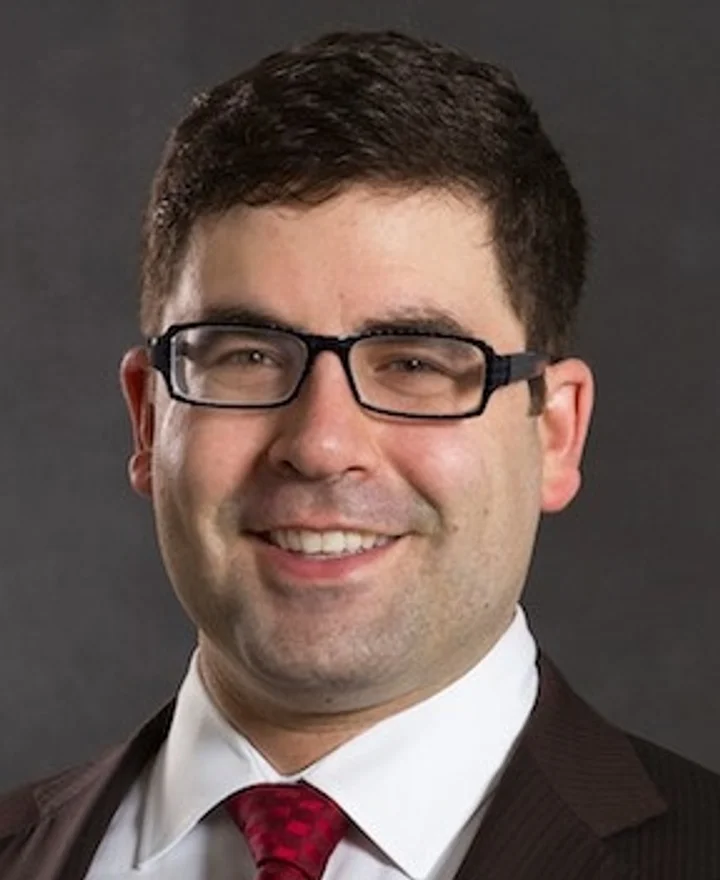
Portrait of Daniel Rozansky

Daniel Rozansky

Partner, Brown Rudnick LLP

Stubbs Alderton & Markiles LLP

Daniel Rozansky is a partner in the Los Angeles office of Brown Rudnick LLP, which he joined in 2025 as one of the four partners who launched the office. His litigation practice covers entertainment and media, brand and reputation management, privacy, First Amendment matters, intellectual property, and complex business and real estate disputes. He was previously co-chair of commercial litigation at Stubbs Alderton & Markiles, LLP. He holds a J.D. from Loyola Law School and a B.A. from the University of California, San Diego, and is ranked by Chambers USA in Media & Entertainment Litigation, California. At Legal Cyber Academy, Daniel Rozansky teaches on computer forensics and on resolving trade secret disputes through ADR.

Portrait of Alex Iftimie

Alex Iftimie

Associate General Counsel, OpenAI

OpenAI

Alex Iftimie is an associate general counsel at OpenAI. He was previously a partner and co-chair at Morrison & Foerster. At the U.S. Department of Justice he served as Counselor to the Attorney General, Counsel to the Assistant Attorney General for National Security, and Attorney-Advisor in the National Security Division. He clerked for the Honorable Diana Gribbon Motz on the U.S. Court of Appeals for the Fourth Circuit and earned his J.D. from Yale Law School, where he was elected editor-in-chief of the Yale Journal of International Law and worked in the Civil Liberties and National Security Clinic. A Paul & Daisy Soros Fellow, he holds a B.A. in international relations from the University of Southern California, where he graduated summa cum laude and was elected to Phi Beta Kappa. At Legal Cyber Academy, Alex Iftimie teaches on computer forensics.

Learning track

Part of a learning trackDigital Forensics for LawyersCourse 3 of 6 — see the full path