Legal Cyber Academy

The Virtual Verdict: Ethical Responsibilities of Attorneys in Remote Work Settings

Taught by Daniel B. Garrie

Employment LawLevel: Beginner1h 4m

Free preview of this course

A 5-minute excerpt from this course. The full course continues from where this leaves off.

Overview of The Virtual Verdict: Ethical Responsibilities of Attorneys in Remote Work Settings

With most attorneys now working remotely or hybrid, work-from-home raises ongoing ethical concerns around the privacy and security of information. This seminar discusses the state of remote work after the pandemic and the ethical concerns it provokes, examines the ABA Standing Committee on Ethics and Professional Responsibility opinion on remote work and the relevant Model Rules (competence, communication with clients, confidentiality), and concludes with best practices and key takeaways for upholding ethical standards while working from home.

What you’ll learn in The Virtual Verdict: Ethical Responsibilities of Attorneys in Remote Work Settings

  • Describe the state of remote work and its ethical concerns for attorneys
  • Apply the ABA opinion and Model Rules relevant to remote work
  • Uphold duties of competence, communication, and confidentiality when working remotely
  • Adopt best practices for ethical work from home

Audience and prerequisites

Who should take this courseThe Virtual Verdict: Ethical Responsibilities of Attorneys in Remote Work Settings

Attorneys who work remotely or in hybrid settings and want to uphold ethical standards for information privacy and security.

Curriculum

  1. 1. The Virtual Verdict: Ethical Responsibilities of Attorneys in Remote Work Settings

    In this seminar, our expert panelists begin by discussing the state of work-from-home today, after the COVID-19 pandemic, and the ethical concerns it provokes for attorneys. Next, our speakers dive into the ABA Standing Committee on Ethics and Professional Responsibility Opinion on Remote Work and each of the relevant Model Rules of Professional Conduct. These ethical concerns include competence, communication with clients, and confidentiality. Our experts conclude by reviewing the best practices for attorneys to follow when working from home to upload ethical standards and some key takeaways going forward. Topics covered in this webinar: Work From Home Today Bar Association Opinion and Ethical Rules on Remote Work Best Practices for Working From Home

    Locked

Your instructors

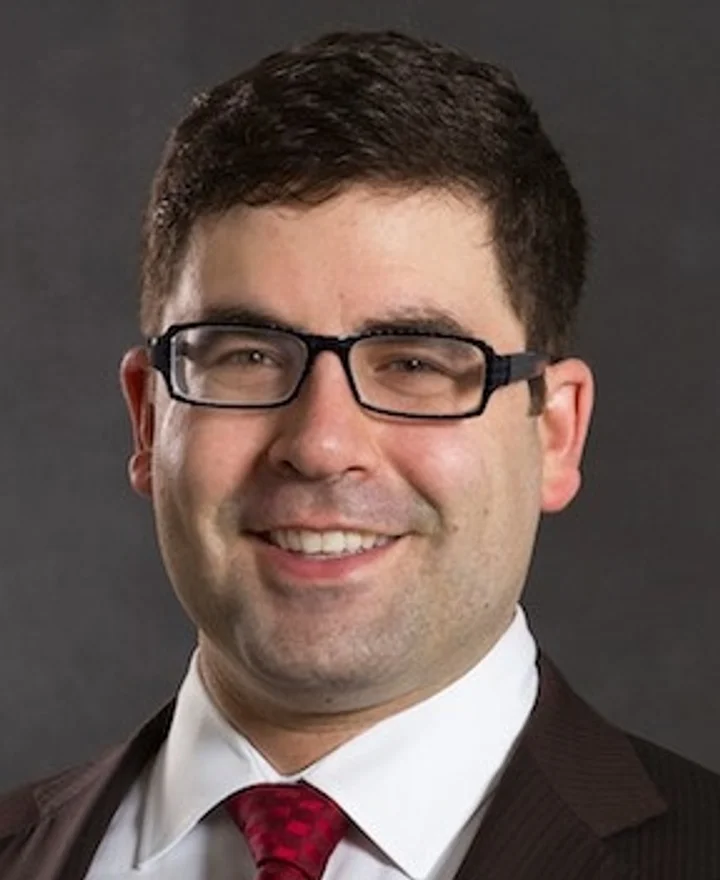
Portrait of Daniel B. Garrie

Daniel B. Garrie

Founder, Law & Forensics; Neutral at JAMS; Faculty at Harvard

Law & Forensics LLC · JAMS · Harvard · Rutgers Law School · Journal of Law & Cyber Warfare

Daniel B. Garrie is the founder and executive managing partner of Law & Forensics LLC, a boutique cybersecurity and forensic engineering firm he co-founded in 2008. He serves as a neutral, arbitrator, and forensic special master at JAMS, focusing on cybersecurity, cryptocurrency, and complex technology disputes, and holds faculty appointments at Harvard and Rutgers Law School. A patented software inventor and prolific author, he is editor-in-chief of the Journal of Law & Cyber Warfare and a widely cited authority on computer forensics, eDiscovery, and cyber litigation.

Portrait of James Orenstein

James Orenstein

Mediator, Arbitrator and Court-Appointed Neutral, JAMS (Hon., Ret.)

JAMS

Hon. James Orenstein (Ret.) is a mediator, arbitrator and court-appointed neutral at JAMS in New York, which he joined in 2023, handling antitrust, employment, intellectual property, class action and cybersecurity and privacy disputes. He served 16 years as a U.S. Magistrate Judge in the Eastern District of New York, from 2004 to 2020, where he achieved national recognition for his opinions on location tracking, encryption and other modern technologies and their effect on personal privacy. Earlier he was an Assistant U.S. Attorney in that district, served as a special attorney on the Oklahoma City Bombing Task Force, and held Justice Department posts as an attorney-adviser in the Office of Legal Counsel and as Associate Deputy Attorney General. At Legal Cyber Academy he teaches on data breach mediation and the ethical responsibilities of attorneys in remote work settings.

Portrait of Diana Burley

Diana Burley

Ph.D., Vice Provost for Research and Innovation, American University

Diana L. Burley, Ph.D., is Vice Provost for Research and Innovation at American University, serving as the university's chief research and innovation officer and leading the Khan Cyber and Economic Security Institute. An award-winning cybersecurity researcher with more than two decades of experience, she co-chaired the National Academies' 2013 report Professionalizing the Nation's Cybersecurity Workforce and co-chaired the global ACM joint task force that established cybersecurity curricular guidelines for post-secondary institutions. She previously spent 14 years at George Washington University, including as executive director of the Institute for Information Infrastructure Protection, a 26-member cybersecurity research consortium. At Legal Cyber Academy she teaches on the ethical responsibilities attorneys carry into remote work settings.

$19.99

No account needed — we’ll set one up with your email after checkout.